.


By Aaron Winter
September 25, 2026
For decades, the name Chevelle has meant something to car enthusiasts, even though Chevrolet hasn't built one since the 1970s. Mention the name at a car show and someone usually has a memory attached to it. Maybe their father owned one, maybe they had one in high school, or maybe it is the car they wish they had never sold. That kind of connection is part of what keeps the Chevelle alive long after the last original car left the assembly line.
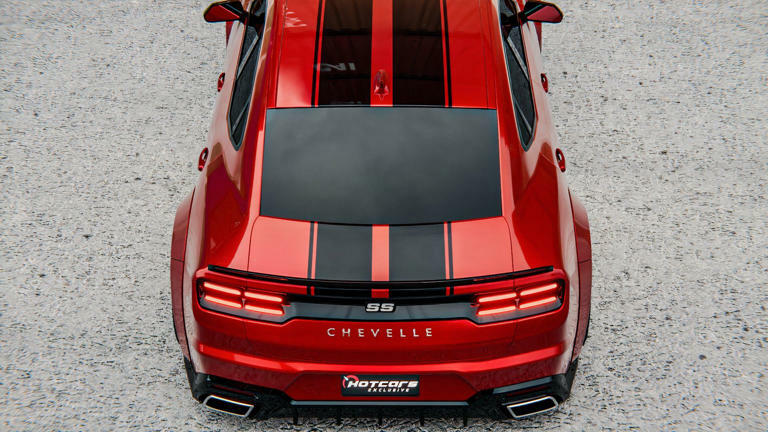
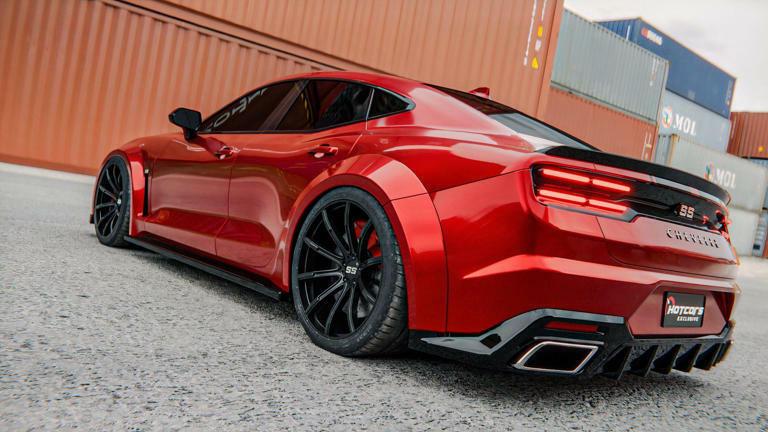
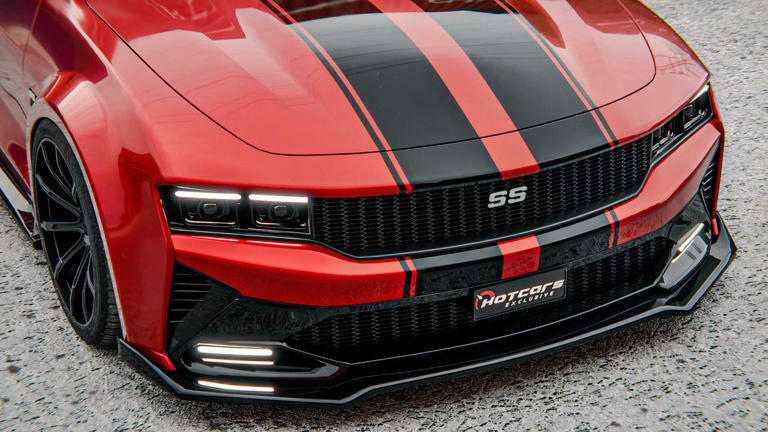
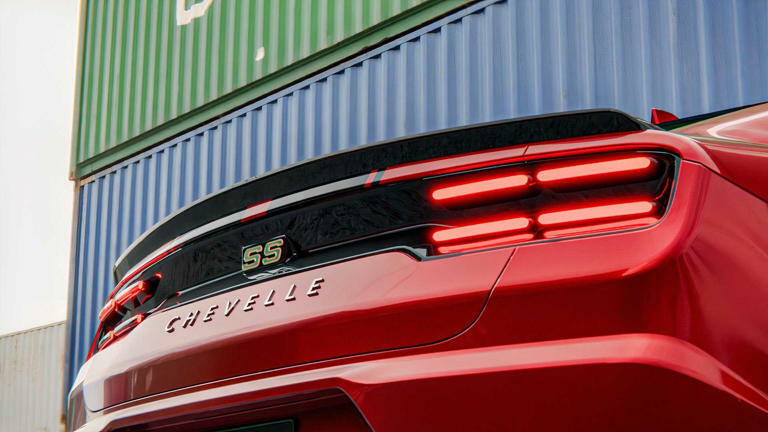
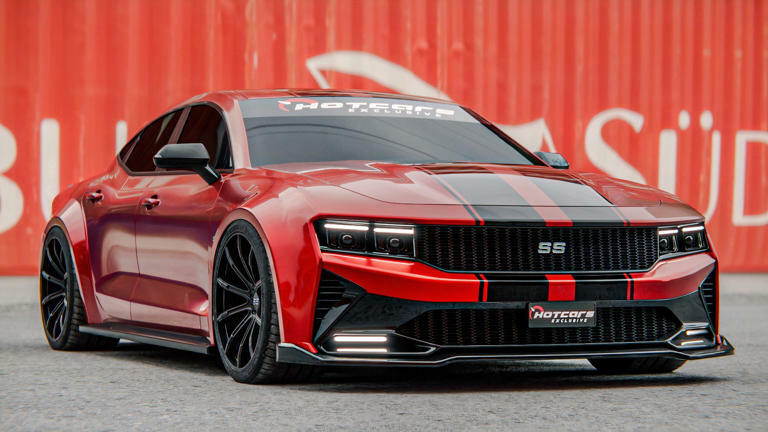
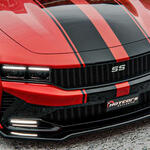
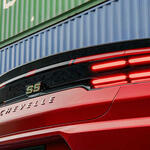
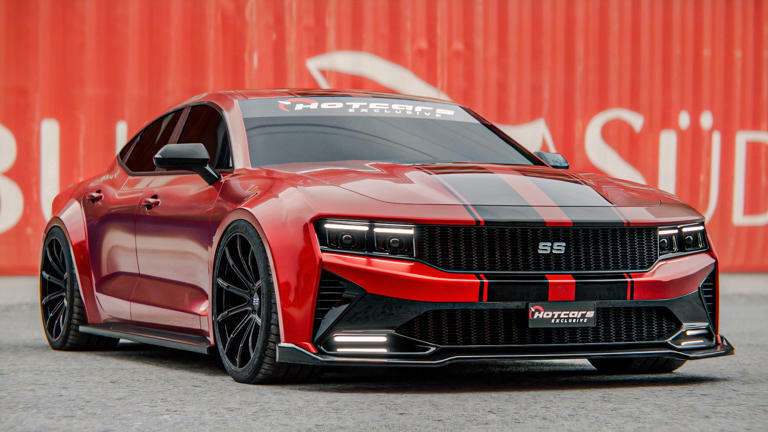
Recently, renderings of a possible 2028 Chevelle SS began circulating online and, not surprisingly, people started talking. This isn't a Chevrolet announcement, and General Motors has not confirmed plans for a new Chevelle. The design is an enthusiast concept showing one possible interpretation of how the car could return. That distinction matters, but it doesn't make the idea any less interesting.
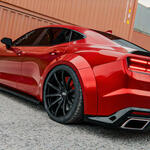
The first thing likely to start an argument is the number of doors. Instead of another two-door coupe, the concept shows the Chevelle as a four-door performance sedan. Most of us immediately picture the classic SS coupe when we hear the Chevelle name, so seeing a sedan wearing that badge takes a little getting used to. Historically, though, Chevrolet built the Chevelle in several configurations, including sedans, station wagons, convertibles and two-door models. The Chevelle was a complete midsize lineup before the high-performance versions became the cars everyone remembered.
Looking at it from that perspective, the idea of a four-door Chevelle doesn't seem quite so strange. It could also make sense for today's buyer, who may want one car that can handle the daily commute, carry the family and still be something worth taking out on a Saturday night.
The concept has some familiar muscle-car proportions without trying too hard to look old. There is a long hood, a wide stance and plenty of tire underneath it, while the front end gives the car enough attitude to separate it from an ordinary midsize sedan. What I like is that it doesn't appear to be an attempt to take a 1970 Chevelle and simply modernize the headlights and bumpers. If Chevrolet ever did revive the car, I think it would need to look forward while still giving a nod to where the name came from.
Of course, that name comes with some baggage. A lot of very good baggage.
For many enthusiasts, the 1970 Chevelle SS 454 LS6 is still the car that defines the model. Its 454-cubic-inch big-block V8 was rated at 450 horsepower and 500 lb-ft of torque, numbers that were enormous for a production car at the time. But that isn't the only reason people still talk about it. The LS6 had the sound, presence and personality people associate with the best years of American muscle.
That is probably where a modern Chevelle would face its toughest test. Chevrolet could build something incredibly fast without much trouble by today's standards. Modern tires, brakes, suspension, fuel injection, computer controls and transmissions have changed performance dramatically. A new car can put up numbers that would have seemed unbelievable when the original Chevelle was new.
The question is whether anyone would care about it thirty years later.
General Motors is still investing in V8 development, which gives enthusiasts something else to talk about. GM's latest small-block family includes a naturally aspirated 6.6-liter V8 rated at 481 horsepower and 501 lb-ft of torque. That engine is being developed for truck use, not for a Chevelle, and there is no reason to assume it is headed for a future performance sedan. Still, it is encouraging to see GM continuing to put resources into the V8 at a time when the rest of the industry is moving quickly toward smaller turbocharged engines, hybrids and electric vehicles.
If Chevrolet ever brought back the Chevelle SS, the engine would probably be debated before the first car even reached a dealership. A turbocharged six-cylinder could make more than enough power, but would buyers accept it? I think that would be a tough sell for a lot of longtime Chevelle fans. The SS badge has always carried certain expectations, and horsepower is only one of them. Sound, torque, throttle response and the general feel of the engine matter too.
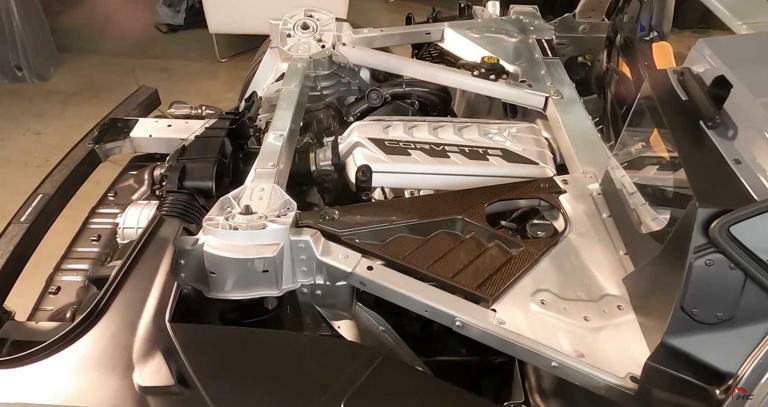
That doesn't mean a modern Chevelle would have to ignore newer technology. Chevrolet has already shown with the Corvette E-Ray that electric power can be used to assist a V8 instead of replacing it. Something similar could theoretically work in a future Chevelle, perhaps with a V8 driving the rear wheels and electric assistance adding traction at the front. There is no indication Chevrolet is considering such a system for a Chevelle, but it is an interesting example of how old-school performance and newer technology do not necessarily have to compete with each other.
The four-door layout may actually be one of the more believable parts of the concept. Most performance-car owners still have to live with their cars every day. They go to work in them, take the kids to school, make grocery runs and head out on family trips. Dodge proved with the Charger that a car can have four doors and still have a legitimate place in modern American performance culture.
A revived Chevelle could potentially do something similar for Chevrolet. Give it rear-wheel drive, strong brakes, a capable suspension, enough room to be useful and, hopefully, a V8 under the hood. It wouldn't have to duplicate the old cars. It would simply need to give owners the same basic reason to care about it.
That is something we see all the time at Resurrection Motors. Classic cars become important because of the experiences connected to them. One person remembers learning how to drive in the car. Another remembers working on it with his father. Someone else has been staring at the same unfinished project in the garage for fifteen years because letting it go would mean giving up part of the story.
Those memories are hard to measure, but they are a big part of what makes an old car valuable to the person who owns it.
A new Chevelle would eventually have to earn that kind of attachment for itself. Chevrolet could put the name on the trunk tomorrow and get plenty of attention, but a famous badge only gets you so far. The car would have to be good enough that people actually wanted to keep it, work on it, drive it and someday tell stories about it.
For now, the 2028 Chevelle SS is just a rendering and a conversation starter. Chevrolet hasn't announced the car, and there is no evidence that one is sitting somewhere waiting for production approval. Still, the reaction to concepts like this says quite a bit about the Chevelle itself.
Decades after Chevrolet stopped building it, people are still wondering what the next one might look like.
That alone tells you the name still matters.
Restoring Cars. Reviving Hope.
Contact
Office Hours
